Saturday, February 22, 2025

Lighting

The lighting increases the emotional depth in this movie intro.

In the opening scenes, where the bully wakes up and gets ready for school, we can use dim lighting. By using this, it represents his internal struggle. We can include soft light shining through the curtains in his room, contrasting with the dark lighting in his room. This represents how he is in real life, tough on the outside, but soft on the inside. We could also use lighting to focus on the bruises on his arm, showing the audience a small, but very important detail. With the POV shot of him driving to school, it could be more dim, as the sun could be covered by clouds, showing his sadness.

This is something like we could go for, dark lighting, but
bright lighting from the window.


He gets to the school after, and we will use brighter lighting, copying the effects of normal hallway lights. By shifting from dark to bright lighting, it shows how much his personality really changes. There is no darkness in the hallways, showing how his classmates don't know of his true pain. When he eventually arrives back home, the lighting goes back to being dark, but a little lighter, has his public persona is wearing off. The final cut to black after the door swings open cuts to black, leaving the audience shocked and uncertain.

This use of lighting really shows how no one is aware of the bully's true pain, and the bright light symbolizes his "true self" leaking through.

Friday, February 21, 2025

Sound

The use of sound in our production plays a vital role in developing the vibe, atmosphere, and emotional depth.

In our bully's room, we can primarily use diegetic sound. For example, we will have an alarm clock going off when our character wakes up, immediately adding sound from his every day life. We can also include muffled sounds of the parents arguing, provides a clue to the audience about his tough home life, foreshadowing the later party of the film. The other use of diegetic sound will be at the end, with the banging on his door, representing the character's freight and vulnerability.

Non-diegetic sound, which is sound that is not from the character's world, will also be used in our production. A slow song can plat while he is picking out his hoodie to wear and when he is covering his bruises, showing his inner pain. While he is driving to school, in the POV shot when he is driving to school, we can shift the score to a more unsettling audio, representing how his life quickly changes around other people. 


However, silence can also be used effectively. For example, when the camera cuts to black after the door swings open, this can be used to add more meaning to our shot. This choice greatly increases the amount of shock and leaves the audience on a cliffhanger, making them eager to know what happens next. 

These sound elements all come together to create a emotionally deep film that pulls viewers in to our bully's complicated life.


A sound similar to want we want to add,
aggressive door knocking.

Thursday, February 20, 2025

Set Design

 The set design for any film is crucial, as it helps communicate the character's personality and traits.


When the story begins, the bedroom will feel messy, yet personal. It has clothes all over the floor, bedsheets all messy, and the walls covered in posters, showing how he acts. The blinds are closed, with little light allowed through, creating a gloomy and dim atmosphere. The small details hint at his internal conflict, such as the hoodie with long sleeves, and the pain killer bottle left out on his dresser. The diegetic sound of his parents speaking loudly adds to the atmosphere.

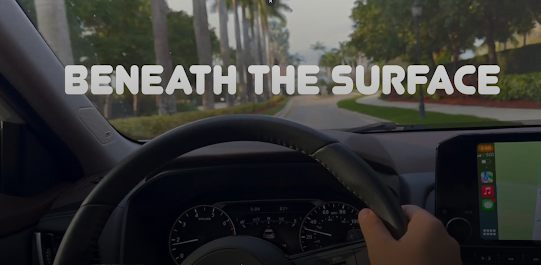
When he is driving to school, we can see him transitioning his personality to his public self. While he is driving to school, it feels cramped, adding to the feeling where he feels trapped. The POV shot of the car window displaying the title, shows a dim, cloudy sky, adding to his isolation. When he arrives at school, the hallways are bright and crowded, showing the harsh contrast between his home and school environments. In the hallways, we include small details, such as students whispering about him, showing his role as a bully.


Crowded school hallway, what we can base our scenes on.


Wednesday, February 19, 2025

Character Bully Design

For any movie, character development and design is a necessity for films. It is vital that the audience immediately gets ideas about the character, to get them hooked on the film.

Our character originally appears as a traditional high school bully, fitting with the stereotypes and social norms of one. However, later in the film, we learn about the cause of his actions, and who he truly is as a person. When we continue watching the intro, we learn that the bully isn't a bad person, and is simply a victim of his poor home life. We learn that he simply is reflecting his internal conflicts onto others.

We will first show his home conditions, him covering up the bruises when he's getting ready for the day. He covers up the bruises to hide his true pain. When gets to school, he exerts his pain on others, in order to feel more powerful. After he does this, we see how it doesn't make him truly feel better, and it is only temporary. He seems to have regret after, and is just trying to make himself feel better.


                                Typical High school bully, from Back To The Future

Saturday, February 15, 2025

Project Idea

 This is the our idea for the movie introduction. We created this with help from each other, and the in-class group meeting.

The movie would begin with our character getting ready. Waking up, undesired to get out of bed, and goes to pick out his clothes for the day. However, he specifically picks a hoodie that has long sleeves, to cover the bruises on his arms. This gives the audience questions, and grabs their attention to continue watching. While he's driving himself to school, a POV shot of the car window appears, showing the title of the movie.

When he arrives to school, he bullies other students, making him feel more powerful then other students. However, the students he bullies doesn't give him a reaction, and makes him question why he is doing this.|

The emotional conflict appears when he gets home. After he enters his room, the atmosphere changes. His dominant personality at school quickly shifts to a sense of fear and vulnerability. The sounds of his parents yelling and his door banging builds tension. When the door finally swings open, the camera cuts to black, ending the movie intro.

This intro challenges the traditional high school bully stereotype by showing the causes of why he acts like how he is. It shows his hidden pain, and how someone's environment can impact their action. This intro encourages viewers to think twice when a person is acting like this.


Notes that helped me create this idea.


Friday, February 14, 2025

Research Post: Todorov's Narrative Theory


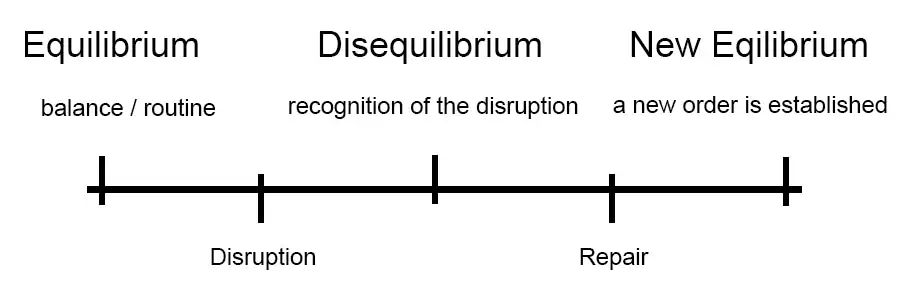
Todorov's Narrative Theory of Equilibrium explains how a story goes through three main stages, equilibrium, disequilibrium, and new equilibrium. In the first stage, equilibrium, the audience is introduced to the new characters. The disequilibrium stage introduces a conflict that creates a challenge for the main character, and the new equilibrium phase either the character has resolved the conflict, or they have not.

This theory is important because it gives viewers an easy way to decipher how stories change and grab audiences' attention. By following this format, it allows storywriters to create a story that has meaningful character development and emotional investment. This challenge forces the character to change, making the character confront the conflict and eventually leading to a conclusion, which can be positive or negative. By utilizing this theory, it ensures that the audience enjoys a well-developed character.


                                                    Graphic visualizing the theory.


This theory is also very useful for our project, because it helps design the emotional development for our main character, a high school bully, and gives us guidelines and how to write the story. We first start in the equilibrium stage, with him being confident at school, bullying other students. This makes him feel powerful, and better then everyone. This changes however in the disequilibrium phase, where he soon realizes what he's doing is wrong, and no students actually care about what he says, creating an emotional conflict. Finally, in the new equilibrium, we reveal his abusive parents, showing the reason why he acts like this.

By following Todorv's theory, we can ensure our story successfully develops our character's emotions, and gives details about his internal conflict and reason for it.

Project Reflection

 After hours and hours of filming, editing, and researching, my project is FINALLY done! This took quite a while to make, and I was very pro...